Therapies and Goals
Integrative Medicine
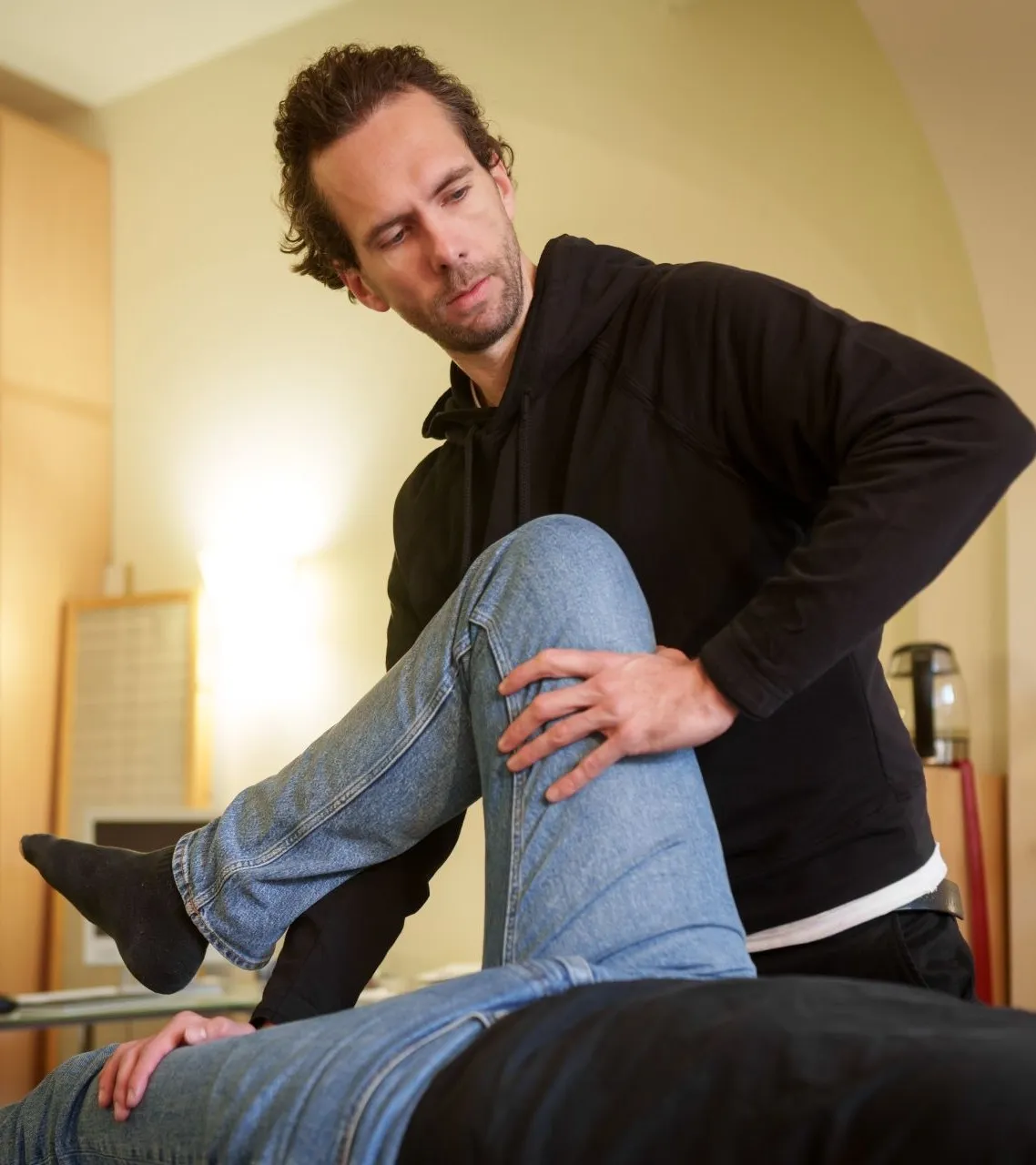
Integrative Medicine in Potsdam combines different therapeutic approaches into a comprehensive concept. Because if you only have a hammer, every problem looks like a nail. Therapeutic concepts such as Applied Kinesiology-based integrative medicine, fascial therapy, osteopathy, magnetic field therapy, CMD treatment, atlas correction, etc. offer the integrative physician more options. Composed into a complete picture, these therapeutic approaches can be used to address your concern individually. This creates a comprehensive picture of your health status and a greater chance of finding the right therapy for you. If you would like to learn more about my qualifications or book an appointment at the practice in Potsdam (Hegelallee 23), please feel free to contact me.
Fascial Therapy
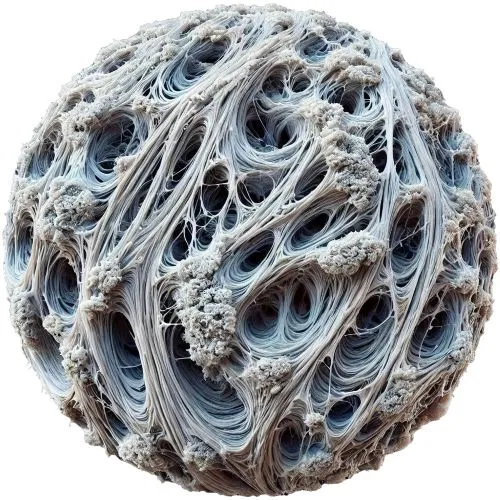
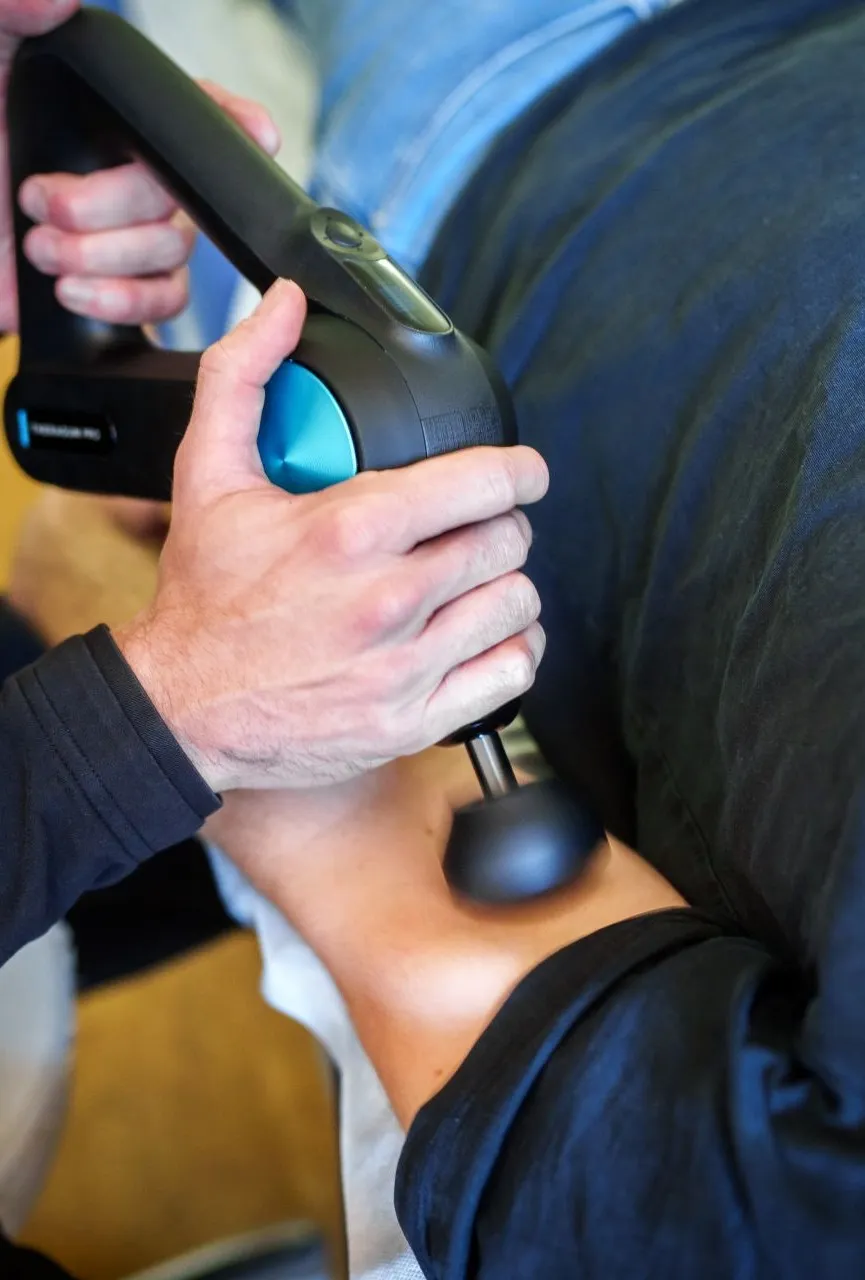
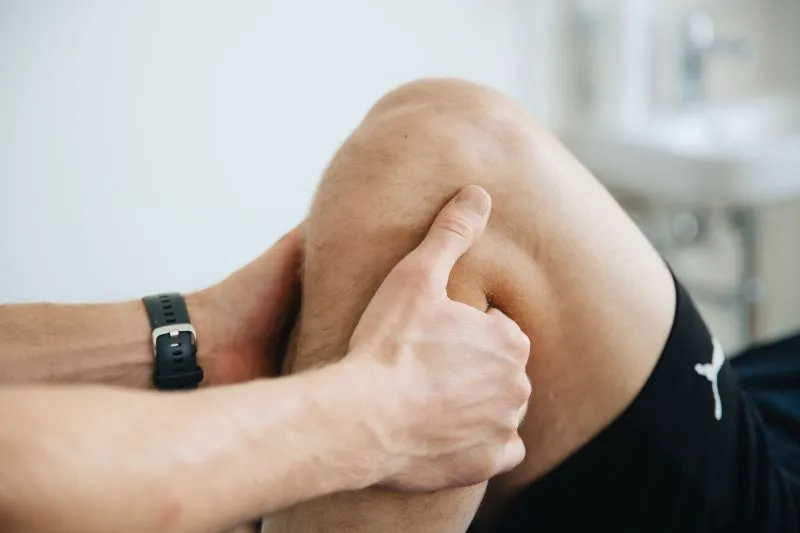
Fascial therapy in Potsdam is gaining more and more trust worldwide among the population and is an integral part of medical care in elite sports of all major sports. From science, new discoveries are continuously being published that have led to a reassessment of many complaints in recent years. A supple fascia corresponds with strength, endurance and coordination throughout the entire body, including the musculoskeletal system, digestive, immune and neurological systems, and thus strengthens physical resilience and performance in daily activities as well as in recreational and high-performance sports. Rigidities in the fascia increase the risk of injuries, persistent complaints, "injury bad luck" and seemingly baseless complaints and correspond with stagnating training success, perceived muscle weakness and joint instabilities. The entire musculoskeletal system is influenced by the fascia in terms of performance and symptom development. The therapeutic mobilization of the fascia therefore offers not only a possibility for rapid symptom improvement, but also a new opportunity to finally get a grip on long-lasting pain and to build lasting freedom from complaints, resilience and physical well-being. Learn more about my qualifications in fascial therapy or book an appointment at the practice in Potsdam (Hegelallee 23).
If you want to learn more about fascia, you can watch the documentary "Fascia - Mysterious World Under the Skin" (in German, English subtitles available).
Applied Kinesiology
Applied Kinesiology (AK) is a holistic diagnostic method that uses muscle testing as a biofeedback instrument. Through precise muscle tests, functional disorders in the body can be discovered and their causes identified. This method makes it possible to recognize and treat the connections between muscles, organs, metabolism and the meridian system. Particularly valuable is the possibility of being able to immediately verify the effectiveness of the chosen therapy. In practice, AK is combined with other forms of therapy to create a comprehensive treatment concept. The method helps to select the most effective therapeutic approaches for the individual case. Through the integration of Applied Kinesiology, complaints can often be treated more quickly and specifically, since the causes of problems are recognized more precisely and the therapy can be adapted accordingly.
Magnetic Field Therapy
Magnetic field therapy can influence muscle tone and stimulate metabolism. It is pain-free and has no side effects such as those associated with chronic pain medication. Magnetic field therapy has proven to be very useful for various complaints in recent years.
Fascial Distortion Model (FDM)
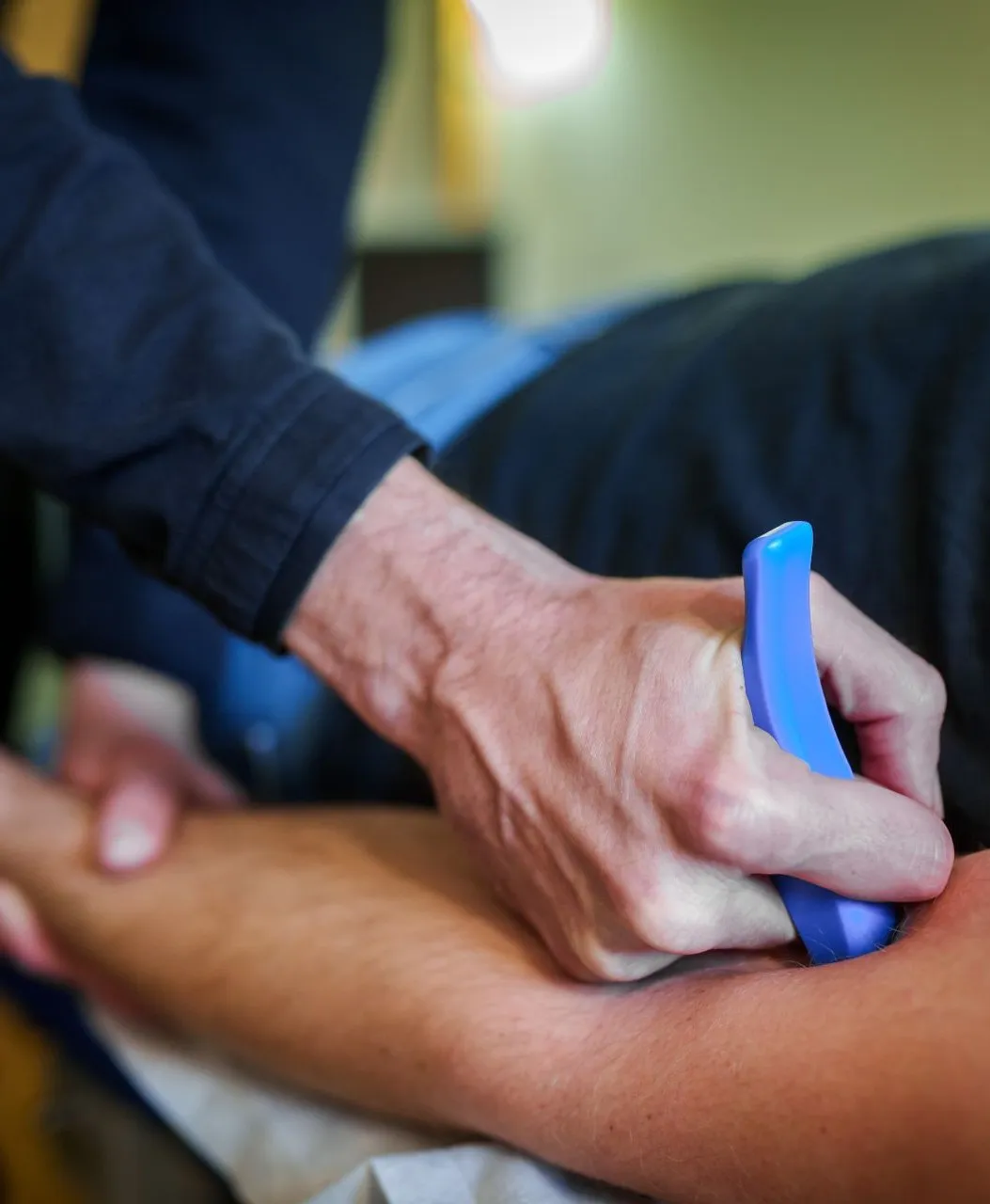
The Fascial Distortion Model (FDM) is a type of fascial mobilization developed by American Stephen Typaldos, which has spread worldwide over the last 30 years and has established itself, among other things, in the care of top athletes. According to this concept, physical complaints consist of 6 types of fascial disorders, each with a specific origin and symptomatology and requiring different treatment accordingly. Thus, one disorder is better treated through point pressure, another through slow, forceful pulling, and another through lifting the skin, such as in cupping. Although FDM is usually painful, it is often very popular, as relief often occurs after just a few treatments.
Joint and Muscle Complaints
Joint and muscle complaints are today's daily companions of many people. Chronic back pain is the most important cause of work disability worldwide, with increasing numbers. But neck pain and complaints of the extremities are also increasing. Through a complex treatment plan for strengthening regulation and targeted symptom reduction, complaints can often be alleviated without medication and thus quality of life can be gained. In this way, operations can often be avoided or delayed.
Dizziness, Tinnitus & Migraine
The development of dizziness, tinnitus and headaches is often caused by rigidities of the cervical spine. Those affected report mild to existential limitations in their lives. Pressure behind the eyes, concentration limitations and impairment of vision are also frequently reported. The symptomatology is usually triggered by tension in the cervical spine. For their development, problems in the jaw (such as craniomandibular dysfunction / CMD, impacted wisdom teeth, tooth inflammation) play an important role. Both the treatment of the disorder in the system and the mobilization of trigger points in the upper cervical spine often resolve the complaints.
Other Complaints
The variety of complaints that can be treated in the practice is large. From acute to chronic complaints - solutions are offered for many different health challenges. If you are unsure whether help can be provided for a specific complaint, a personal consultation is available to discuss the treatment options.
Performance Optimization through Fascial Therapy
Since the fascia runs through the entire musculoskeletal system, it not only influences the development of complaints, but also strength, endurance and coordination. The more freely the musculature can move in the fascia, the more muscle power the athlete can apply to his tasks, which is reflected in more precise movements, more strength and better endurance. The more tightly a tense fascia wraps around the musculature, the more strength the muscle loses in overcoming this resistance and the less it has available for movement. The consequences are faster exhaustion, higher risk of injury and losses in precision. A performance-optimizing fascial mobilization is a useful addition to daily training and provides the extra performance capacity. Sports physiotherapy in Potsdam by trained physiotherapist (B.Sc.) for athletes.
Injury Aftercare
Aftercare of injuries with fascial mobilization is crucial for a complication-free return to former strength. Since imaging procedures for capturing the state of the fascia in injured areas have not yet been established (only a few have been developed), fascial damage in rehabilitation is often not sufficiently considered. If strong enough, some fascial damage remains beyond the usual healing time, although they could actually be treated quickly and effectively. This leads to problems when returning to full performance and even to susceptibility to injury. If these disorders are discovered, they can be effectively treated, even if they are already years old.
Injury Bad Luck and Its Prevention
In so-called injury bad luck, injuries often return after just a few months of full load at the same or another location. This repeats itself in part over many years and can thus slow down or even end the careers of professional athletes. There are reasons for this that are generally treatable. Through diagnostics of the entire movement system and medical history, such hidden disorders can be found and therapy can be initiated. The most common causes include impacted (crooked) wisdom teeth, strong to purulent inflammations (e.g., in the mouth area or due to complications after operations) and after-effects of previous injuries. By finding and treating these disorders, usually operations or medication are not necessary, resilience returns and the "injury bad luck" ends.
Training Stagnation
Rigidities of the fascia can limit or stop training progress. This manifests itself in feelings of weakness, instability and lack of coordination of individual body areas that do not improve despite training. The reasons often lie in fascial rigidities that, while not strong enough to cause pain, do limit performance. They can be found and mobilized and thus return their strength, stability and coordination to the affected areas.