Considering Multiple Factors
Training stagnation often has several influencing factors. Besides functional restrictions, training management, recovery, training volume and, where appropriate, medical questions are therefore taken into account.
Athlete Support in Potsdam
Persistent weakness, instability or lack of coordination can be a reason to examine functional and fascial factors more closely.
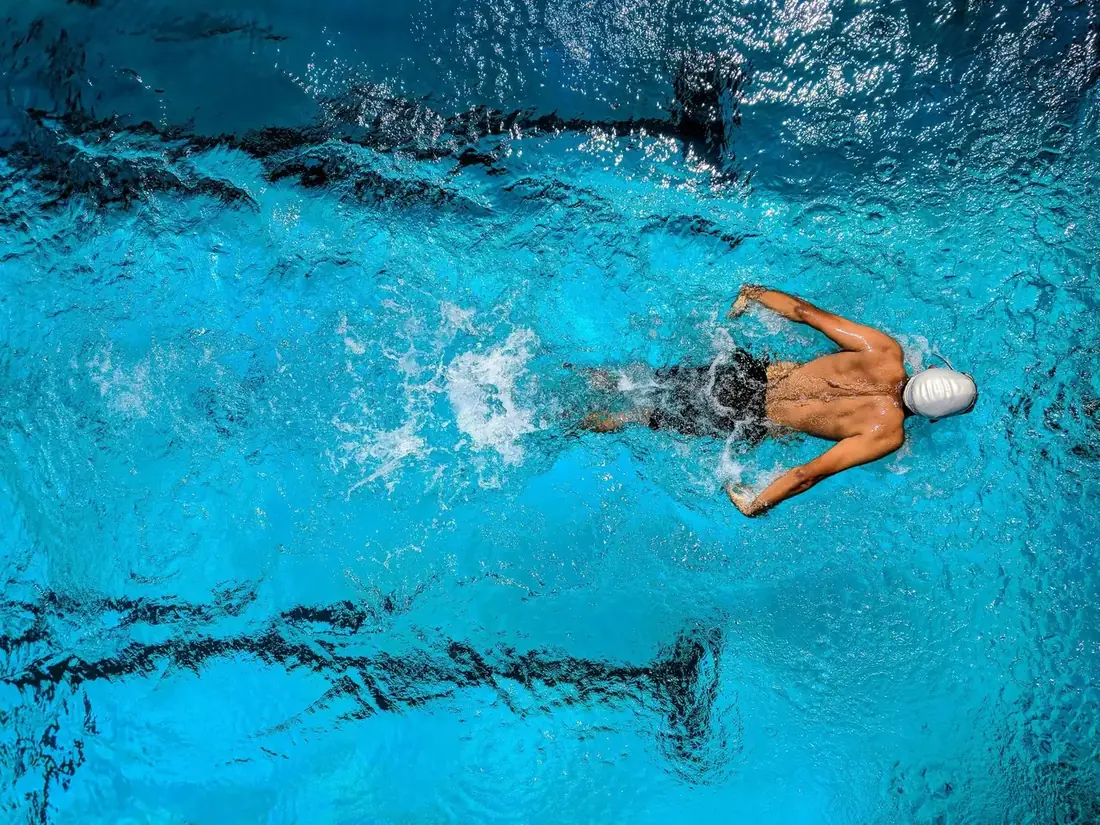
Fascial firmness can restrict or stop training progress. This can show itself as a feeling of weakness, instability and lack of coordination in individual body areas that do not improve despite training.
The reasons can lie in fascial firmness that, although not strong enough to cause pain, nevertheless limits performance. These can be examined and, with corresponding findings, mobilised in order to support strength, stability and coordination in the affected areas.
Training stagnation often has several influencing factors. Besides functional restrictions, training management, recovery, training volume and, where appropriate, medical questions are therefore taken into account.
Treatment is not viewed in isolation but placed in the context of sporting practice. The aim is to better understand noticeable movement phases and to align further training sensibly. If the focus is primarily on optimising already well-functioning processes, you can find further information under Performance Optimization.
Yes. A severely restricted fascia can hinder the free development of force in a muscle. The muscle then has to work additionally against the resistance of the firm tissue, tires more quickly and can therefore appear clinically weaker.
If the fascial disorder is pronounced, it cannot always be resolved through more or different training. In this case, targeted fascial therapy may first be necessary. Besides fascial factors, neurological or lymphatic bottlenecks and other physical influences can also play a role.
Stagnation is not viewed in isolation at a single muscle. A personal map emerges from previous injuries, mobility, fasciae, force transmission, coordination and other physical factors.
The aim is to find out which region cannot yet cope sufficiently with the demands of sporting movement and which treatment there is most likely to bring about change.
Before and after treatment, as concrete tasks as possible are compared with each other.
After about four treatments, relevant progress should at latest become apparent – for example in mobility, sense of strength, precision, fatigue or a sport-specific movement. Otherwise, the approach taken so far is reassessed.