Fasciae and Movement
Looking at the fasciae complements the examination of muscles and joints and takes mobility, coordination and resilience into account.
Therapy Method in Potsdam
Fasciae are connected to mobility, resilience and the interplay of the musculoskeletal system, and are examined and treated individually.
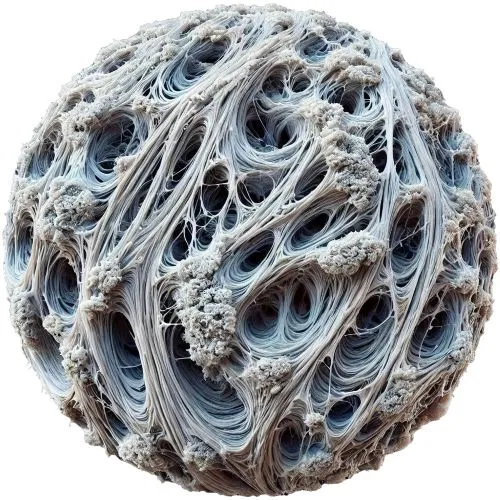
Fascial therapy in Potsdam is gaining increasing trust and is also part of the medical care provided in elite sport. New scientific findings are being published continuously and have led to a reassessment of many complaints in recent years. Supple fascial tissue can be connected to strength, endurance and coordination throughout the body as well as to the musculoskeletal, digestive, immune and neurological systems, and can thereby support physical resilience and performance in everyday activities as well as in recreational and high-performance sport. Tightness in the fascia can increase the risk of injuries and of persistent or seemingly unexplained complaints, and can be linked to “injury bad luck”, stagnating training progress, perceived muscle weakness and joint instability. The performance and symptom development of the entire musculoskeletal system can be influenced by the fascia. The therapeutic mobilisation of the fascia therefore aims to improve symptoms, to get long-lasting pain better under control, and to build lasting freedom from complaints, resilience and physical well-being. Learn more about my qualifications in fascial therapy or arrange an appointment at the practice in Potsdam (Hegelallee 23).
If you would like to know more about fasciae, you can watch the documentary “Fasciae – The Mysterious World Under the Skin”.
Looking at the fasciae complements the examination of muscles and joints and takes mobility, coordination and resilience into account.
The type and intensity of the mobilisation are guided by the findings and by your personal response to the treatment.
Fasciae form a body-wide network of connective tissue. They surround and connect muscles, joints, nerves and organs, among other structures. In this way they influence mobility, force transmission and the interplay between different regions of the body.
Fascial therapy can be used, for example, for restricted mobility, recurring tightness, joint and muscle problems, or after injuries.
Its benefit depends not only on the method itself but also on a precise examination, the selection of the right structures and the experience of the treating therapist.
It is often clearly noticeable and can be painful, but it does not have to be. The intensity depends on the structure being treated, the technique chosen and your personal response.
The pressure is always adjusted in communication with you and only with your consent.
If a clearly defined fascial disorder is indeed the main issue and no underlying factors keep bringing it back, manual treatment can often be sufficient. In such cases, the situation can change comparatively quickly.
Whether further measures are advisable depends on the individual findings.
Yes. An injury can be medically healed while the mobility, gliding ability or load-bearing capacity of the tissue has not yet been fully restored. Such remaining disturbances can later contribute to problems in the same or in another region of the body.