EspañolDeutschEnglish
Appointments Appointments

Therapy Method in Potsdam

Fascial Distortion Model (FDM)

The model developed by Stephen Typaldos distinguishes six types of fascial disorders, each treated differently.

Treatment according to the Fascial Distortion Model in Potsdam

The Method at a Glance

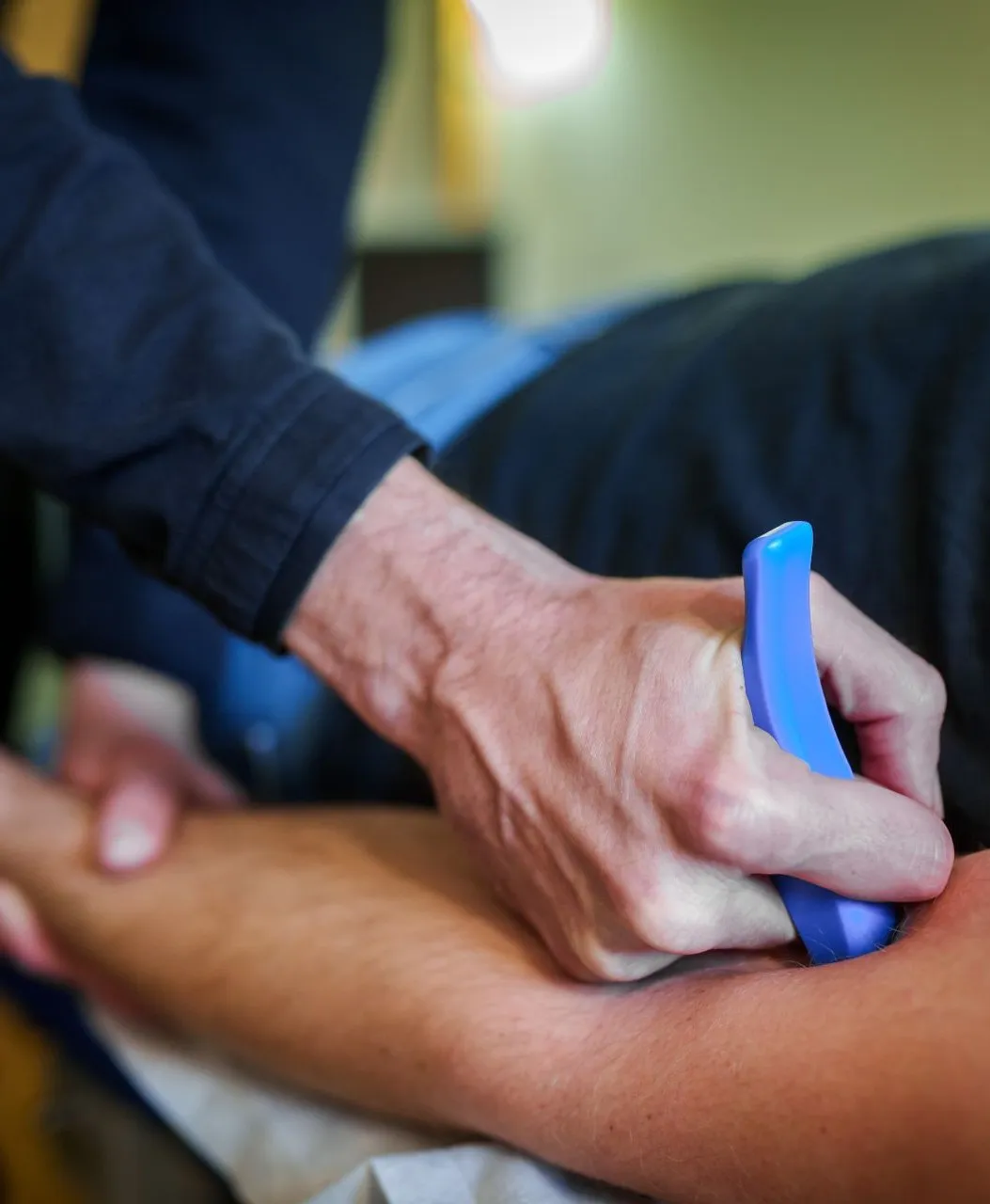
The Fascial Distortion Model (FDM) is a form of fascial mobilisation developed by the American Stephen Typaldos that has spread worldwide over the last 30 years and has established itself, among other areas, in the care of top athletes. According to this concept, physical complaints arise from six types of fascial disorders, each with a specific origin and symptom pattern and therefore requiring different treatment. One disorder is treated better with point pressure, another with slow firm traction and another by lifting the skin, as in cupping, for example. Although FDM is often painful, it is frequently popular because relief often occurs after just a few treatments.

Six Types of Fascial Disorders

The model assigns complaints to six different categories of fascial disorders. The existing source description names a specific origin and symptom pattern for each, without adding additional, uncertain characteristics to the individual types here.

Different Treatment Techniques

Depending on classification, different forms of mobilisation may be used: the existing text mentions point pressure, slow firm traction and lifting the skin, for example in cupping.

Individual Selection

Not every technique suits every perceived disorder. The selection follows from individual symptoms and examination.

Intensity and Feedback

FDM can be experienced as painful. Intensity, response and further procedure are therefore coordinated individually during treatment.

Frequently Asked Questions

The Fascial Distortion Model was developed by the American physician Stephen Typaldos. It assigns the patient's description and body language to different fascial disturbance patterns.

From the presumed type of disturbance, the manual technique to be used is derived.

With FDM, physical problems are assigned to different disturbance types according to a defined model. Depending on the pattern, for example point pressure, traction or other manual techniques are used.

Some FDM techniques can be intense and temporarily unpleasant. The strength is coordinated with you and applied only with your consent.

After more intensive techniques, temporary tenderness or bruising can occur.

FDM is designed to achieve a noticeable change as quickly as possible. It is then checked whether the relevant movement or physical task has actually improved. It is mainly aimed at rapid improvement of symptoms and should therefore be integrated into a holistic concept so that the fasciae function stably again. This also allows factors that contribute to the development or recurrence of the problem to be taken into account.